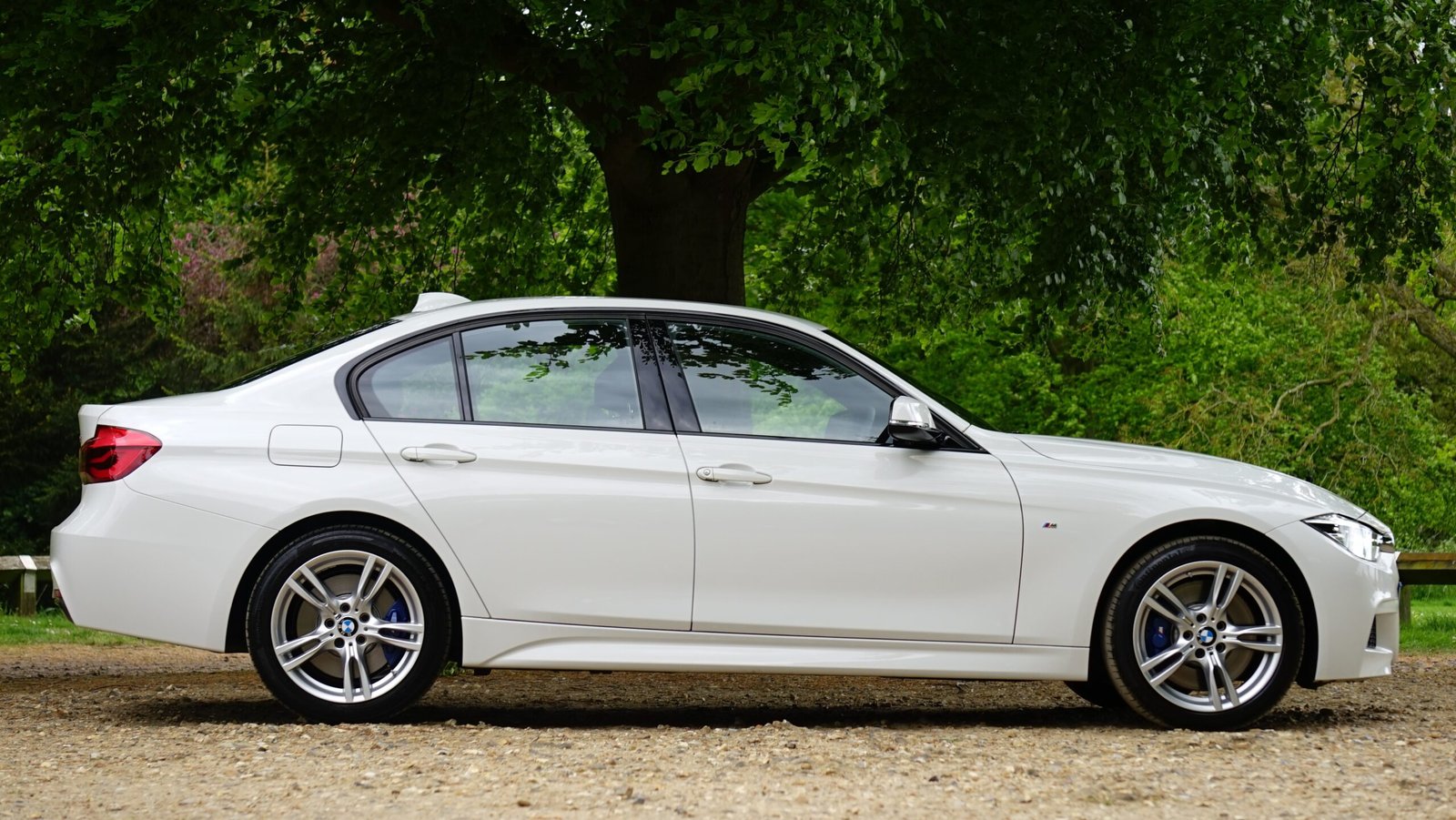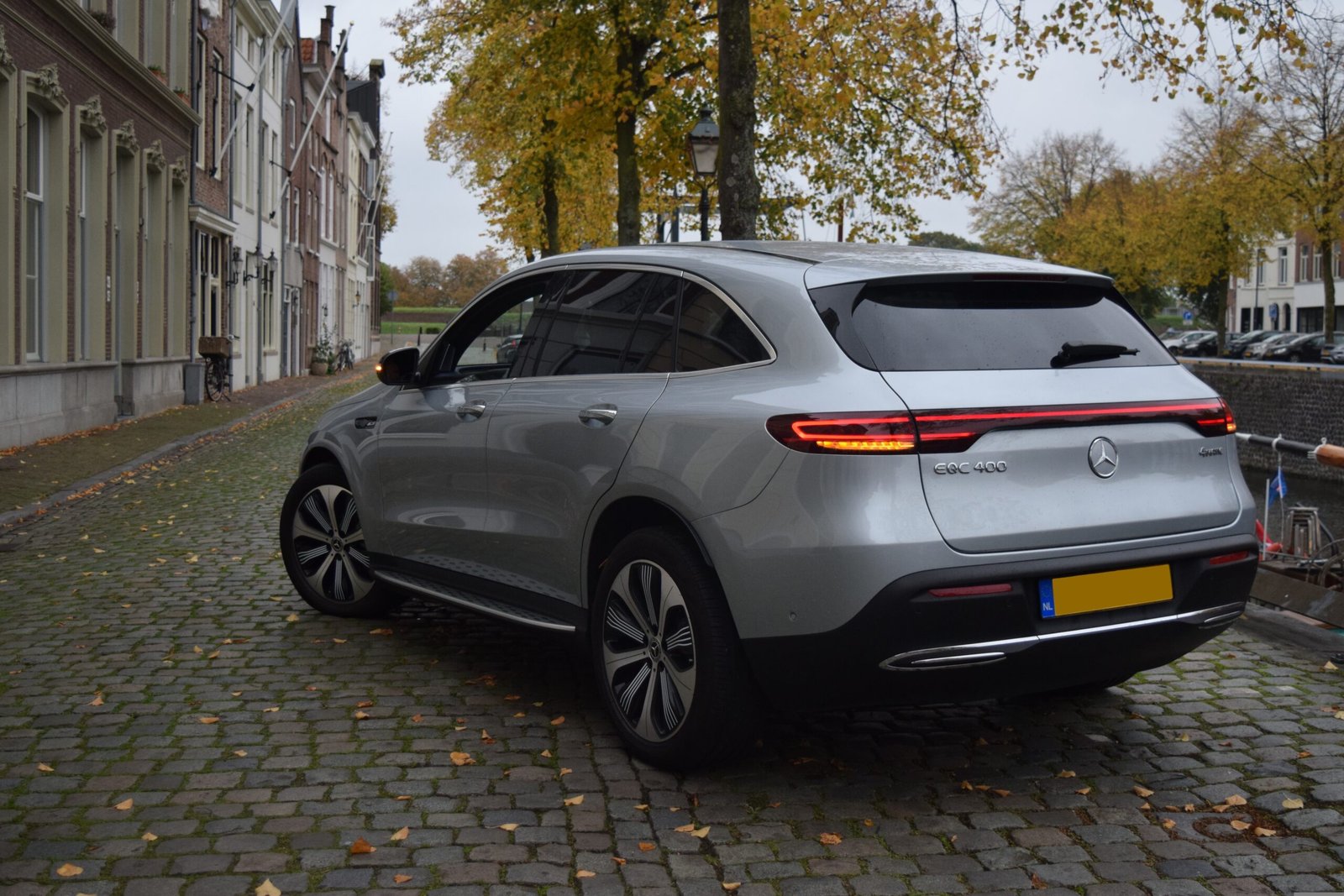
The first wave of EVs mostly asked drivers to accept trade-offs: shorter range, longer charging stops, and a leap of faith on reliability. That negotiation is ending. Electric vehicles are projected to represent over 24% of global vehicle sales by the end of 2026, and the reason isn’t just climate motivation anymore — it’s that the driving experience itself has genuinely improved. Solid-state batteries are entering production, 350kW charging is turning a coffee stop into a full recharge, and cars are starting to drive, think, and update themselves in ways that weren’t possible even two years ago.
This isn’t a spec-sheet list. It’s a look at which of these advances are actually reshaping how EVs feel to own and drive in 2026, and which are still a year or two from mattering to the average buyer.
Solid-State Batteries: The Range Anxiety Fix, Finally Arriving
Battery technology remains the single biggest lever on the EV driving experience, and 2026 marks a real inflection point. Solid-state batteries are entering production, enabling ranges of 400 to 600 miles on a single charge — a meaningful jump from what most lithium-ion EVs have offered. The technical difference matters practically: solid-state designs replace liquid electrolytes with solid materials, which allows for higher energy density in a similar or smaller footprint, directly translating to more range without a bigger, heavier battery pack.
Toyota, Samsung, Nissan, CATL, and GAC-backed Greater Bay Technology are all actively developing solid-state platforms. This isn’t a single-company bet — it’s a broad industry convergence, which is usually a stronger signal that a technology is genuinely close to mainstream than any single manufacturer’s roadmap.
Charging Got Fast Enough to Stop Feeling Like a Compromise
Charging infrastructure has expanded alongside battery gains. DC fast chargers now support up to 350kW speeds, adding roughly 200 miles of range in just 15 minutes — genuinely comparable to a gas station stop rather than a dedicated errand. Newer 2026 models are increasingly built around 800V architecture specifically to take advantage of these speeds, rather than charging fast being an occasional best-case scenario.
Vehicle-to-grid is turning EVs into more than transportation
Vehicle-to-grid (V2G) technology lets EV owners use their car as a backup power source, feeding energy back into the grid during peak demand or an outage. That reframes what an EV actually is in a household’s energy setup — not just a vehicle that consumes electricity, but a mobile battery that can offset costs or provide backup power when it matters most.
AI is solving the anxiety that range numbers alone can’t
Raw range figures don’t account for terrain, and that gap is where AI-powered route planning is making a real difference. In mountainous regions like Colombia, AI services are already helping drivers plan routes and predict battery usage — a route that only uses 10% battery one direction might use 80% coming back depending on elevation change. Predicting that in advance, and suggesting charging stops accordingly, addresses the actual lived anxiety of EV ownership more directly than a bigger battery number on a spec sheet.
Driving Itself Is Becoming More Automated — and More Intuitive
Autonomous driving features are advancing quickly, with Level 2+ systems that manage steering, acceleration, and braking on highways now standard on most mid-range and luxury EVs, while the driver remains responsible for monitoring the road. True Level 3 autonomy, where the car takes full responsibility for driving in certain defined conditions, is beginning to appear in select markets — a meaningful legal and technical threshold, since it shifts responsibility from driver to vehicle for the first time in specific scenarios.
The human-machine interface around this automation is evolving just as fast. Vehicles increasingly recognize occupants, adapt content, and present information contextually based on driving conditions, using multimodal interfaces that combine voice, gestures, eye tracking, and physical controls to reduce cognitive load. As automation increases, that interface design becomes a genuine safety factor, not just a comfort feature — it’s what determines how smoothly control actually hands back and forth between human and machine.
Cars Are Becoming Software Platforms, Not Fixed Products
Perhaps the most quietly significant shift in 2026 is that EVs are as much about software as they are about batteries and motors. Over-the-air (OTA) updates, which Tesla pioneered, are now standard across every major automaker — letting manufacturers fix bugs, add features, and improve performance without a dealership visit. A car bought in January 2026 could genuinely have new capabilities by December that it didn’t ship with.
Hyperconnectivity is extending that software layer beyond the vehicle itself. 5G- and 6G-ready architectures are enabling vehicle-to-everything communication, letting cars effectively “see” beyond line of sight by communicating directly with traffic lights, road sensors, and nearby vehicles — a foundational layer for both safety and future autonomy that operates independently of any single car’s own sensors.
Affordability Is Catching Up to Capability
For years, the most advanced EV technology and affordability moved in opposite directions. That’s converging in 2026: affordable EVs priced under $30,000 before tax credits, from brands including Chevrolet, Volkswagen, and BYD, are making electric vehicles accessible to a meaningfully broader set of buyers. The used EV market is shifting too, with three-year-old models now available under $20,000, opening a genuine budget-conscious entry point that didn’t exist a few years ago.
It’s worth noting the industry isn’t moving uniformly here — Tesla, long the dominant trendsetter, has notably pulled back on EV and battery innovation to focus on autonomous vehicles and robotics instead, effectively ceding battery and charging leadership to other manufacturers. The broader EV advancement story in 2026 is increasingly driven by a wider set of companies, not a single one.
What This Actually Changes About Owning an EV
- Range planning shifts from a source of anxiety to a background task, handled by AI route prediction rather than manual guesswork.
- Charging stops start resembling a gas station visit rather than a dedicated errand, thanks to 350kW charging and 800V vehicle architecture.
- The car itself keeps improving after purchase through OTA updates, rather than being a fixed product that only depreciates.
- Highway driving becomes meaningfully less demanding with mature Level 2+ systems, while true hands-off Level 3 autonomy starts appearing in specific markets and conditions.
- An EV becomes a household energy asset through V2G capability, not just a vehicle — relevant for backup power and potentially offsetting electricity costs.
What Should You Actually Do With This?
If you’re shopping for an EV in 2026, prioritize charging speed (look for 800V architecture and 350kW compatibility) and confirm OTA update support — these two factors affect daily experience far more than an extra 50 miles of stated range. If range anxiety has kept you from switching, look specifically at models with AI-powered route and charge planning rather than just a bigger battery number, since that’s what actually resolves the anxiety in practice. And if you’re budget-conscious, the used EV market under $20,000 and new sub-$30,000 models are worth serious consideration now — the affordability gap that existed even two years ago has narrowed substantially.
Frequently Asked Questions
Are solid-state batteries actually available to buy in 2026, or still experimental?
They’re entering production in 2026 rather than being purely experimental, with major players including Toyota, Samsung, Nissan, and CATL actively developing commercial platforms. Widespread availability across mainstream models is still emerging, but this is a genuine production transition, not a distant lab concept.
What’s the real difference between Level 2+ and Level 3 autonomous driving?
Level 2+ systems manage steering, acceleration, and braking, especially on highways, but the driver must stay attentive and remain responsible for the vehicle at all times. Level 3 shifts actual driving responsibility to the car itself under specific, defined conditions — a meaningful legal and technical threshold that’s currently only appearing in select markets rather than broadly available.
Is vehicle-to-grid technology actually useful for a typical EV owner?
It can be, particularly for backup power during outages or offsetting electricity costs by feeding stored energy back to the grid during peak demand periods. Its practical value depends on local utility programs and rate structures, which vary significantly by region.
Why has Tesla fallen behind in EV and battery innovation?
Tesla has notably shifted its primary focus toward autonomous vehicles and robotics rather than continuing to lead on EV battery and charging technology, which has allowed other manufacturers — including Toyota, CATL, and various Chinese automakers — to take the lead on the innovations discussed here, particularly solid-state batteries and fast-charging infrastructure.
Are affordable EVs under $30,000 actually comparable to premium models?
They’re closing the gap rather than fully matching premium capability. Budget-focused 2026 models from brands like Chevrolet, Volkswagen, and BYD prioritize accessibility and still include meaningful modern features like AI-driven driver assistance, but typically won’t match the range or autonomous capability of flagship models like the Lucid Air or Mercedes EQXX.
The Bottom Line
The next generation of EVs isn’t defined by one dramatic leap — it’s defined by several long-standing frustrations getting solved at once. Range anxiety is being addressed by both bigger batteries and smarter route planning. Charging stops are shrinking toward gas-station length. Cars keep improving after purchase instead of staying frozen at their original spec. And the price of entry has dropped enough that this technology isn’t reserved for early adopters anymore. The driving experience itself, not just the environmental case, is what’s finally pulling EVs into the mainstream in 2026.